
In order to best understand how your organisation can prepare and be compliant with the 2026 due ISO 45010 Guidance on Menstrual Health & Menopause in the Workplace we address in this article:
1. What is the ISO 45010 ?
2. Timing of the ISO 45010
3. A Short Summary of ISO 45010
4. Key Recommendations of ISO 45010
5. How Mondays can help your organisation prepare and be compliant with ISO 45010?
1. What is the ISO 45010 ?
ISO 45010 is an international guidance (in development) focused on occupational health and safety management, specifically addressing menstruation, menstrual health, and menopause in the workplace. It provides guidance for organisations to create supportive policies, facilities, and practices to reduce stigma, improve wellbeing, and boost productivity.
This is a milestone, as for the first time, menstruation and menopause are being framed not "just" as an employee wellness topic, but also as critical for occupational health and safety (OHS).
2. Timing of the ISO 45010
Currently at draft stage (ISO/DIS 45010:2025 or ISO/CD 45010), managed by ISO/TC 283, with public comment periods recently closed (April 2026) or ongoing in some regions. It's positioned under ICS categories 13.100 (occupational safety) and 03.100.30 (HR management), complementing standards like ISO 45001.
3. Short Summary of ISO 45010
While gender parity in labour force participation varies across different economies, it is often the case that women are often expected to fit into modes of working and cultural expectations that were historically designed at a time when women were not equally represented or prioritised as workers.
"Women represent nearly 40% of the global workforce. Yet the average workplace was not built with a woman in mind" - Dr Natalia Kanem, UNFPA Exec Director
Symptoms associated with menstruation and menopause can also coincide with significant life challenges and responsibilities, and research has shown that stress and symptoms associated with menopause are inextricably linked. Promoting and supporting the health of workers brings multiple benefits to organisations, reducing occupational risks and absences. It can increase reputation through attracting a workforce that want to work in organisations that are inclusive, supportive of worker health and wellbeing, and free from deliberately or accidentally discriminating against different groups.
A woman menstruates for 66% of her working life
4. Key Recommendations of ISO 45010
The standard recommends practical measures like access to hygiene facilities, complimentary menstrual products, flexible uniforms, adjusted attendance policies, and manager training to treat these issues as safety priorities rather than just HR topics. It includes annexes with toolkits, checklists, and metrics for audits and implementation.
Perimenopause lasts for 5 - 10 years at the height of a woman's career, a time when heavy and irregular periods are one of the most common symptoms.
5. How Mondays can help your organisation prepare and be compliant with ISO 45010?
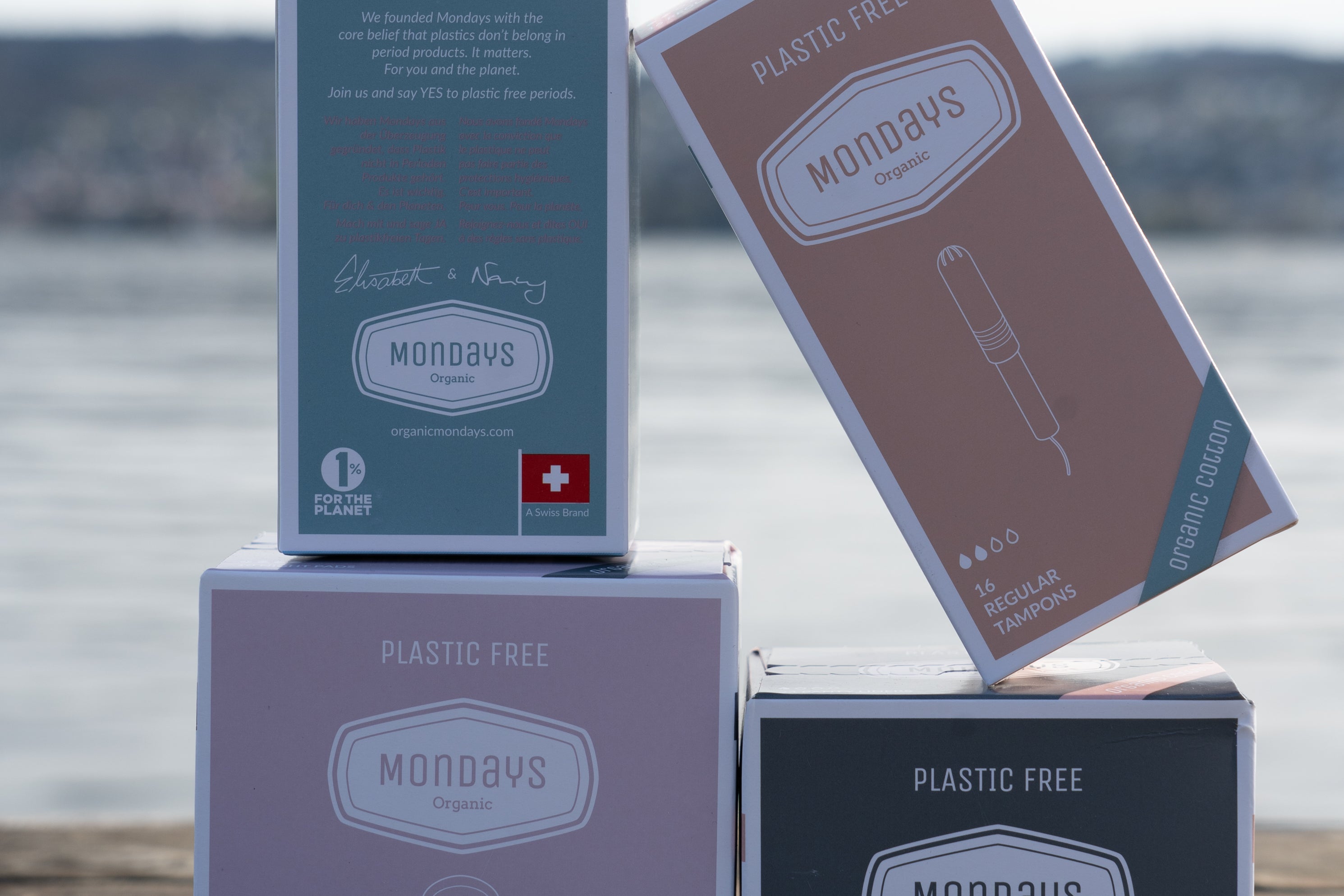
Mondays can help your business to prepare and be compliant for the new ISO 45010 Guidance in the following ways :
a) The implementation of Mondays' menstrual health care solution for employees where and when they need them in a professional manner communicates your organisation is investing in your workplace to meet the guidance recommended by ISO 45010 in Clause 5.2.2 (f). The Clause directly "recommends employers to provide adequate menstrual hygiene facilities, and free menstrual products in the workplace".
13% of women have taken time off work in the last 12 months due to menstrual health issues or symptoms
BUT 35% will not give the real reason for their absenteeism to managers
b) Support and provision of internal communications to support the normalisation of menstrual health as a core part of creating a responsible, inclusive workplace culture.
For example :
i) posters
ii) webinars & training sessions
iii) practical guides & toolkits
vi) dedicated webpages (FAQ, Tampon safety & feedback / question collection)
v) Q&A sessions with employees
Offering appropriate (Menstrual) support in the workplace can increase employee performance, engagement, retention and employer branding
*CIPD Nov 2023